
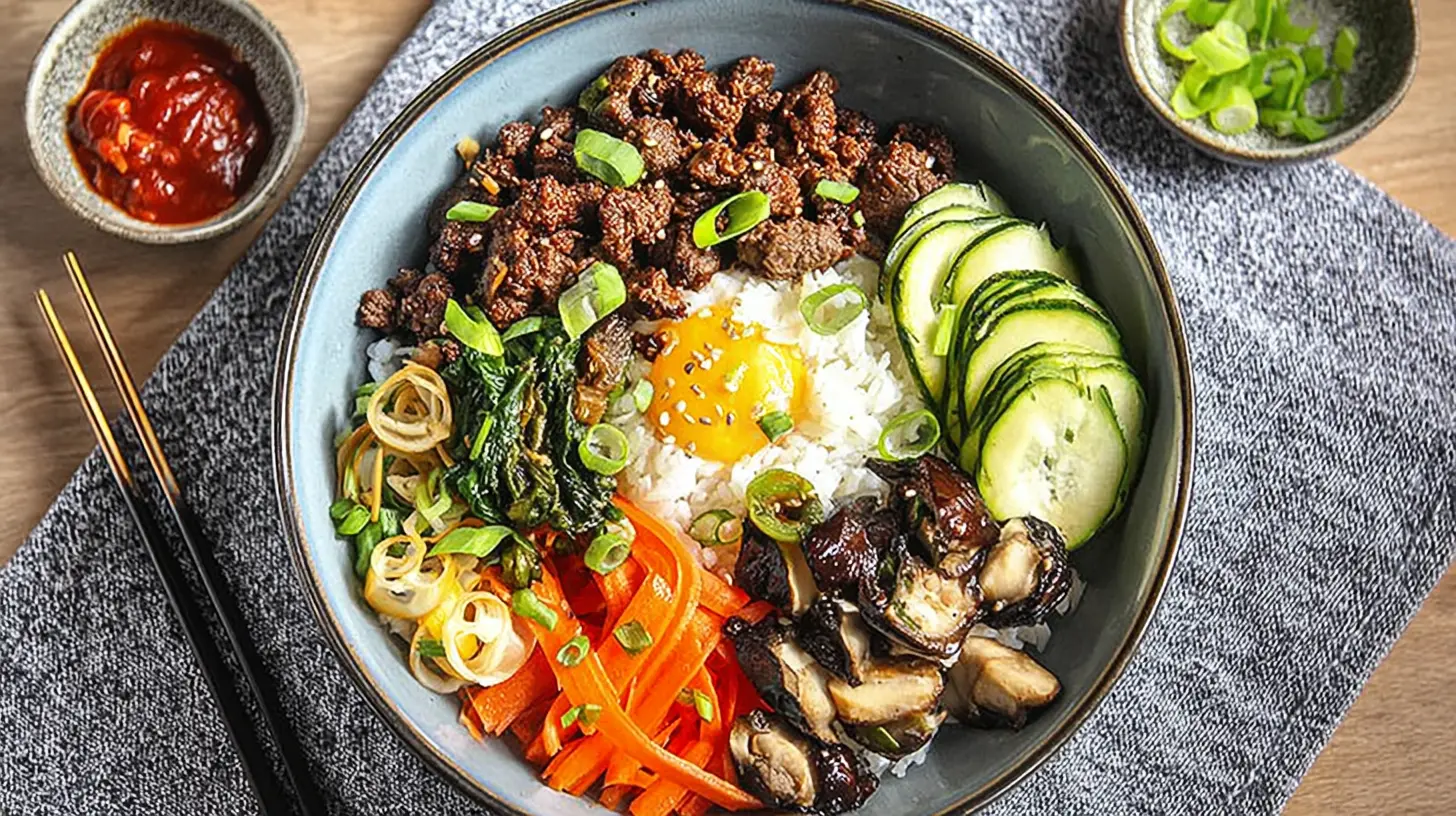
My first encounter with Bibimbap was at a small, bustling Korean restaurant, and I was immediately captivated by the vibrant colors and the promise of a complete meal in one bowl. The sizzle of the hot stone pot, the medley of fresh vegetables, and the savory beef – it was an experience that left a lasting impression. From that moment, I knew I had to recreate that magic at home, not just for the incredible flavors but also for the satisfying feeling of eating something so wholesome and balanced. This Korean Beef Bibimbap Bowl isn’t just a recipe; it’s a journey into a delicious and incredibly healthy culinary tradition that I’m thrilled to share with you.
Why You’ll Love This Dish
What makes this Korean Beef Bibimbap Bowl truly special isn’t just its stunning presentation, but the incredible synergy of flavors and textures, all while delivering a powerhouse of nutrition. It’s the kind of meal that satisfies your cravings for something rich and savory, yet leaves you feeling energized and light. Perfect for a weeknight dinner when you want something impressive but not overly complicated, or for a weekend gathering where everyone can customize their own bowl. This dish is a fantastic way to incorporate more vegetables into your diet in a fun and delicious way, making healthy eating feel like a treat rather than a chore.
> “I love how customizable Bibimbap is! Every member of my family can add exactly what they love, and I feel good knowing they’re getting so many healthy ingredients in one delicious meal.” – A Happy Home Cook
The Cooking Process Explained
Creating a Korean Beef Bibimbap Bowl begins with preparing each component individually before bringing them together in a harmonious arrangement. You’ll start by cooking the rice, which forms the base. Next, various vegetables are lightly sautéed or blanched, often seasoned simply to maintain their natural flavors. The beef is thinly sliced and marinated, then quickly cooked. Finally, a fried egg is prepared, and a spicy gochujang sauce is mixed. The magic happens when all these vibrant elements are artfully arranged over the rice, ready to be mixed together at the table.
Gather These Items
To embark on your Korean Beef Bibimbap journey, here’s what you’ll need:
For the Rice:
- 1 cup short-grain white rice (sushi rice works well)
- 2 cups water
For the Beef:
- 8 oz thinly sliced beef (sirloin or flank steak works well), cut into bite-sized pieces
- 1 tbsp soy sauce
- 1 tbsp mirin (rice wine)
- 1 tsp sesame oil
- 1 clove garlic, minced
- ¼ tsp black pepper
For the Vegetables:
- 1 cup bean sprouts
- 1 cup spinach, blanched and squeezed dry
- 1 cup shredded carrots
- 1 cup sliced zucchini
- 1 cup shiitake mushrooms, sliced
- 1 tbsp soy sauce (for seasoning vegetables)
- 1 tsp sesame oil (for seasoning vegetables)
- Salt and pepper to taste
For the Gochujang Sauce:
- 2 tbsp gochujang (Korean chili paste)
- 1 tbsp sesame oil
- 1 tbsp sugar or honey
- 1 tbsp rice vinegar
- 1 clove garlic, minced
- 1 tsp sesame seeds
For Assembly:
- 4 large eggs
- Toasted sesame seeds, for garnish
- Optional: kimchi, perilla leaves for extra flavor
Directions to Follow
Here’s how to bring your Korean Beef Bibimbap Bowl to life:
- Cook the Rice: Rinse the rice thoroughly until the water runs clear. Combine with water in a medium saucepan. Bring to a boil, then reduce heat to low, cover, and simmer for 15-18 minutes, or until water is absorbed and rice is tender. Remove from heat and let stand, covered, for 5 minutes.
- Prepare the Beef: In a bowl, combine the thinly sliced beef with soy sauce, mirin, sesame oil, minced garlic, and black pepper. Let marinate for at least 15 minutes while you prepare the vegetables. Heat a skillet over medium-high heat and cook the beef until browned and cooked through, about 3-5 minutes. Set aside.
- Sauté the Vegetables: In the same skillet (or a separate pan), add a tiny bit of oil. Sauté each vegetable separately:
- Bean Sprouts: Sauté for 2-3 minutes until slightly tender-crisp. Season lightly with a pinch of salt and pepper.
- Spinach: Quickly sauté for 1-2 minutes. Season lightly with soy sauce and sesame oil.
- Carrots: Sauté for 3-4 minutes until tender-crisp. Season with salt and pepper.
- Zucchini: Sauté for 3-5 minutes until tender. Season with salt and pepper.
- Shiitake Mushrooms: Sauté until softened and lightly browned, about 4-6 minutes. Season lightly with soy sauce and sesame oil.
- As each vegetable is cooked, transfer it to a separate plate.
- Make the Gochujang Sauce: In a small bowl, whisk together the gochujang, sesame oil, sugar or honey, rice vinegar, minced garlic, and sesame seeds until well combined.
- Fry the Eggs: In a non-stick skillet, fry the eggs sunny-side up, leaving the yolk runny.
- Assemble the Bowls: Divide the cooked rice among four individual serving bowls. Artfully arrange piles of the cooked beef, each vegetable, and an egg on top of the rice. Drizzle generously with the gochujang sauce.
- Serve: Garnish with toasted sesame seeds. Serve immediately and instruct everyone to gently mix all the ingredients together before eating to combine the flavors.
How to Plate and Pair
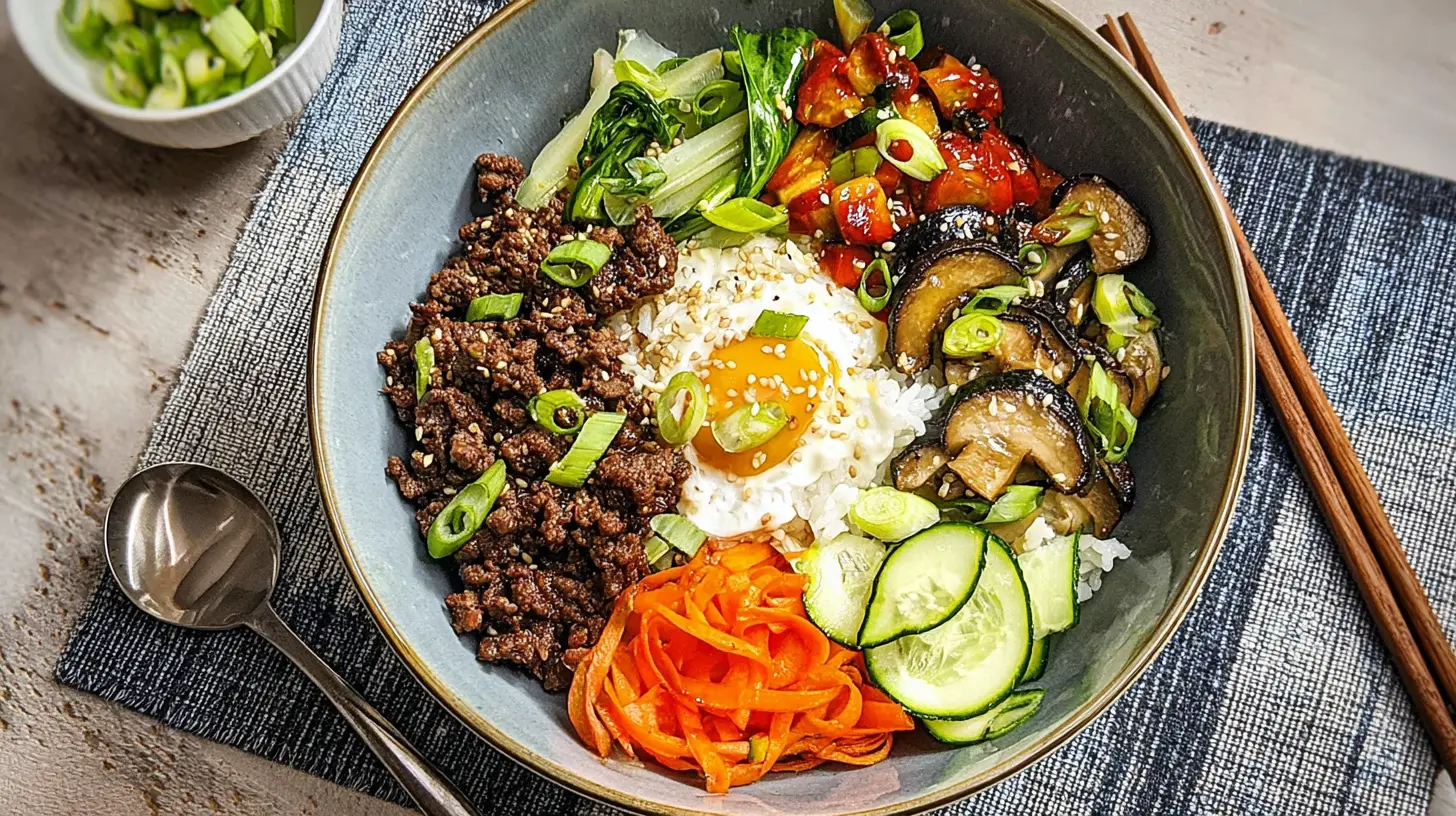
The beauty of a Korean Beef Bibimbap Bowl lies in its presentation. Arrange each component — the colorful vegetables, savory beef, and glistening fried egg — in distinct sections atop the rice. This mosaic of colors is visually appealing and invites diners to appreciate each ingredient before mixing. A traditional Korean earthenware pot (dolsot) is fantastic if you have one, as it keeps the rice warm and creates that irresistible crispy bottom layer.
For pairing, a simple side of radish kimchi or cucumber kimchi would be fantastic, offering a tangy, spicy counterpoint. A light seaweed soup or a clear broth soup also complements the richness of the Bibimbap beautifully. For a beverage, iced barley tea (bori-cha) or sparkling water would be refreshing choices.
Keeping Leftovers Fresh
Bibimbap is best enjoyed fresh, primarily due to the texture of the rice and the egg. However, if you have leftovers, store the components separately if possible. Store the cooked beef and sautéed vegetables in airtight containers in the refrigerator for up to 2-3 days. The cooked rice can also be stored separately.
When reheating, it’s best to reheat the rice and vegetables in a microwave or a skillet until warmed through. The beef can also be reheated gently. It’s not recommended to reheat the egg, so if you’re planning for leftovers, you might want to cook eggs fresh just before serving. To maintain food safety, ensure all components reach an internal temperature of at least 165°F (74°C) when reheating.
Pro Chef Tips
- Thin Slicing is Key: For the beef, ensure it’s very thinly sliced. Partially freezing it for 20-30 minutes before slicing can make this much easier. This ensures it cooks quickly and evenly.
- Don’t Overcook Vegetables: The vegetables should be vibrant and tender-crisp, not mushy. Quick sautéing or blanching helps retain their nutrients and texture.
- Balance the Sauce: The gochujang sauce is potent. Taste it as you mix and adjust the sweetness (sugar/honey) and acidity (rice vinegar) to your preference. Some prefer it spicier, others milder.
- The Runny Yolk: A perfectly fried egg with a runny yolk is crucial for Bibimbap. When mixed, the yolk creates a rich, creamy sauce that binds all the ingredients together.
- Hot Stone Bowl (Dolsot) Trick: If you have a dolsot, coat it lightly with sesame oil and heat it over medium heat before adding the rice. This creates a wonderfully crispy layer of rice at the bottom, known as dolsot-bab.
Creative Twists
While the classic Korean Beef Bibimbap is fantastic, there are many ways to put your own spin on it:
- Vegetarian/Vegan: Omit the beef and egg. Replace the beef with pan-fried tofu, tempeh, or marinated mushrooms. Ensure your gochujang is vegan (some contain anchovy paste) and consider a flax egg or simply more veggies.
- Chicken or Pork Bibimbap: Swap the beef for thinly sliced chicken breast or pork tenderloin, marinated and cooked in the same way.
- Seafood Spin: Grilled or pan-seared shrimp, scallops, or even flaked salmon can make a delicious seafood Bibimbap.
- Different Grains: Instead of white rice, try brown rice, quinoa, or a mix of grains for added fiber and different textures.
- Seasonal Vegetables: Don’t limit yourself to the suggested vegetables! Use whatever is fresh and in season – bok choy, asparagus, bell peppers, or kimchi can all be great additions.
- Extra Spice: For those who love heat, add a pinch of Korean chili flakes (gochugaru) to the beef marinade or directly to the gochujang sauce.
Common Questions
How long does it take to prepare Korean Beef Bibimbap?
From start to finish, you can typically prepare a Korean Beef Bibimbap Bowl in about 45-60 minutes, assuming your ingredients are prepped and ready to cook. Most of the time is spent on individual vegetable preparations.Can I make Bibimbap ahead of time?
You can prepare most of the components (marinated beef, cooked vegetables, and gochujang sauce) a day in advance and store them separately in the refrigerator. Cook the rice and fry the eggs just before serving for the best results. As mentioned in storage, it’s best to assemble and eat fresh.What are the 6 health benefits of Bibimbap?
Bibimbap is a nutrition powerhouse! Here are 6 key benefits:- Rich in Vegetables: Packed with various sautéed and fresh vegetables, providing essential vitamins, minerals, and dietary fiber.
- Lean Protein: The thinly sliced beef offers a good source of lean protein for muscle repair and satiety.
- Balanced Macronutrients: It provides a balanced meal with complex carbohydrates from rice, healthy fats from sesame oil and egg yolk, and protein from beef and egg.
- Gut-Friendly (with Kimchi): Often served with kimchi (fermented cabbage), which is rich in probiotics that support gut health.
- Antioxidant-Rich: Many ingredients like spinach, carrots, and gochujang contain antioxidants that fight against cellular damage.
- Customizable for Dietary Needs: Easily adaptable to be vegetarian, vegan, or incorporate different lean proteins, making it suitable for various dietary preferences.
Korean Beef Bibimbap Bowl
Ingredients
Equipment
Method
- Marinate the beef with soy sauce, brown sugar, sesame oil, minced garlic, black pepper, and sliced onion for at least 15 minutes in the refrigerator.
- Heat sesame oil in a large skillet and sauté each vegetable separately until tender-crisp: spinach for 1-2 minutes, carrots for 2-3 minutes, bean sprouts for 2-3 minutes, and mushrooms for 3-4 minutes.
- Cook the marinated beef in the same skillet over medium-high heat for 5-7 minutes until browned and cooked through.
- Divide the cooked rice among four serving bowls and arrange the cooked beef and vegetables artfully in separate sections over the rice.
- Whisk together gochujang, sesame oil, rice vinegar, brown sugar/honey, minced garlic, and toasted sesame seeds to create the sauce.
- Fry one egg per bowl sunny-side up in a non-stick skillet until the whites are set but the yolk is runny.
- Place a fried egg in the center of each bowl, drizzle generously with gochujang sauce, and garnish with toasted sesame seeds and optional extra sesame oil.
- Encourage mixing all ingredients thoroughly just before eating to combine flavors.