
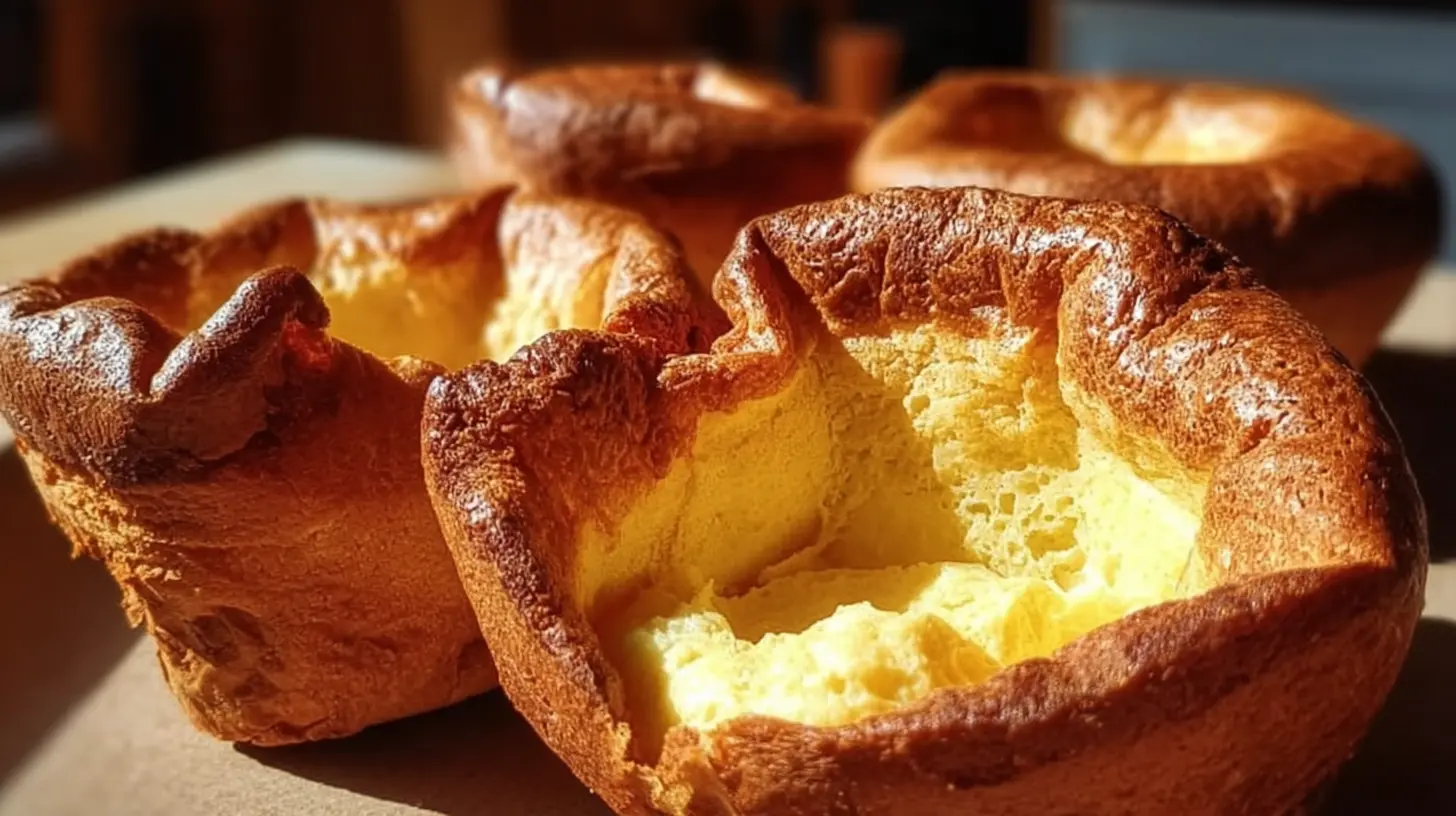
There’s a special kind of magic that happens when a perfectly baked Yorkshire Pudding emerges from the oven – golden, gloriously puffed, and with that irresistible crispy-chewy texture. For years, I struggled to achieve that iconic rise, often ending up with dense, greasy disks instead of the light, airy marvels I craved. But through countless batches and a deep dive into the science of batter, I finally cracked the code. This guide is born from that journey, designed to pull back the curtain and show you how truly simple it can be to create show-stopping Yorkshire Puddings, even if you’ve never attempted them before.
Why You’ll Love This Dish
There’s something uniquely comforting and celebratory about a well-made Yorkshire Pudding. It’s not just a side; it’s a statement! This recipe isn’t just about avoiding the dreaded ‘soggy bottom’ – it’s about consistently achieving that perfect airy structure and a beautiful golden-brown crust. Imagine serving these alongside your Sunday roast, watching them disappear as quickly as you plate them. They’re incredibly versatile, soaking up gravy like a dream, and surprisingly budget-friendly to make. Plus, there’s immense satisfaction in pulling off something that many consider a bit of a kitchen mystery. Trust me, once you master these, your Sunday dinners will never be the same.
> “I used to shy away from making Yorkshire Puddings, but this guide changed everything! My first batch rose beautifully, and they were the star of our roast dinner. So much easier than I thought!” – A Happy Home Cook
Preparing Yorkshire Puddings
The secret to magnificent Yorkshire Puddings lies in understanding the interplay of cold batter and screaming hot fat. It’s a bit like a culinary science experiment, but don’t fret – it’s a simple one! You’ll start by whisking a smooth batter, letting it rest to develop elasticity, and then, crucially, pouring it into smoking hot oil in a preheated pan. The sudden temperature shock is what creates that dramatic, impressive rise we all adore.
What You’ll Need
To embark on your journey to perfect Yorkshire Puddings, gather these essential items:
- 115g (1 cup) plain (all-purpose) flour: The foundation of our batter.
- 4 large eggs: Crucial for structure and richness.
- 150ml (⅔ cup) milk: Helps create a smooth, pourable batter.
- Pinch of salt: To enhance the flavor.
- Vegetable oil, sunflower oil, or beef dripping: The key to a crispy exterior and that dramatic rise. Beef dripping is traditional and adds incredible flavor, but vegetable or sunflower oil works perfectly well.
Directions to Follow
Let’s break down the process into easy, actionable steps:
- Sift the Flour: In a large bowl, sift the plain flour and a pinch of salt. Sifting helps prevent lumps and aerates the flour.
- Whisk the Eggs: In a separate bowl, lightly whisk the eggs.
- Combine Wet and Dry: Gradually add the whisked eggs to the sifted flour, whisking continually to create a smooth, thick paste. This helps prevent lumps later on.
- Add the Milk: Slowly pour in the milk, whisking constantly until you have a smooth, pourable batter about the consistency of single cream. If there are any stubborn lumps, you can pass the batter through a fine-mesh sieve.
- Rest the Batter: Cover the bowl with cling film or a clean tea towel and let the batter rest in the refrigerator for at least 30 minutes, or preferably for several hours (up to 12 hours). This resting period is vital for gluten development and helps the puddings rise.
- Preheat the Oven: About 20-30 minutes before you’re ready to bake, preheat your oven to a blazing 220°C (425°F) / 200°C Fan / Gas Mark 7.
- Heat the Fat: Place a Yorkshire pudding tin (or a 12-hole muffin tin) with about 1 tablespoon of oil or beef dripping in each hole into the preheated oven. Let it heat for about 10-15 minutes until the oil is smoking hot.
- Pour and Bake: Carefully remove the scorching hot tin from the oven. Quickly and evenly pour the rested batter into each hot, oiled hole, filling them about one-third to halfway.
- Bake to Perfection: Immediately return the tin to the hot oven and bake for 20-25 minutes, or until the Yorkshire Puddings are beautifully risen, golden brown, and delightfully crispy. Resist the urge to open the oven door during the first 15-20 minutes; this can cause them to collapse.
- Serve Hot: Once baked, remove from the oven and serve immediately.
How to Serve Yorkshire Puddings
The classic pairing for Yorkshire Puddings is, of course, a succulent Sunday roast with plenty of rich gravy. But don’t limit yourself! Think outside the box:
- Roast Dinner Staple: Absolutely essential with roast beef, lamb, pork, or chicken.
- Gravy Boats: They are perfect conduits for soaking up any delicious gravy.
- Sausage and Mash Companion: For an elevated take on bangers and mash, serve a Yorkshire pudding on the side to hold extra gravy.
- Leftover Magic: If you have any leftovers (a rare occurrence!), they can be filled with leftover roast meat and gravy for a mini “roast dinner in a cup.”
- “Toad in the Hole” Twist: For a rustic meal, bake sausages directly into the batter for a homemade Toad in the Hole.
How to Store
Yorkshire Puddings are undoubtedly best enjoyed fresh from the oven, when they are at their crispiest and most majestic.
- Storing Leftovers: If you have any left, allow them to cool completely. Store them in an airtight container at room temperature for up to 1 day. They will lose their crispness.
- Freezing: Cooled Yorkshire Puddings can be frozen for up to 1 month. Lay them in a single layer on a baking sheet to freeze solid, then transfer to a freezer-safe bag or container.
- Reheating: To revive your Yorkshire Puddings, reheat them in a preheated oven at 200°C (400°F) for 5-8 minutes from chilled, or 10-15 minutes from frozen, until hot and crispy again.
Pro Chef Tips
Achieving that awe-inspiring rise involves a few simple tricks that make all the difference:
- Cold Batter, Hot Fat: This is the golden rule. The significant temperature difference causes the steam to form rapidly within the batter, pushing it upwards.
- Resting Time is Non-Negotiable: Don’t skip the batter resting step. It allows the gluten to relax, resulting in a more tender and higher rise.
- Don’t Skimp on the Heat: Your oven and the oil in the tin need to be screaming hot. If the oil isn’t almost smoking, the puddings won’t rise properly.
- Use the Right Fat: Beef dripping is traditional and imparts a wonderful flavor, but a neutral high-smoke point oil like sunflower or vegetable oil works perfectly. Avoid olive oil as it has a lower smoke point.
- Resist Oven Peeking: Opening the oven door during the crucial first 15-20 minutes lets cold air in, which can cause your puddings to collapse.
- Even Consistency: Ensure your batter is smooth and relatively thin, like single cream. Lumps can weigh it down.
- Don’t Overfill: Fill each tin cavity only about one-third to halfway. This gives the batter room to expand without spilling over.
Creative Twists
While the classic Yorkshire is perfect as is, you can certainly play around with the flavor profile:
- Herbaceous Notes: Add a pinch of dried rosemary or thyme to the batter for an aromatic twist, especially good with lamb or chicken.
- Garlic Infusion: A tiny amount of garlic powder in the batter can add a subtle savory depth.
- Cheese Please: For cheesy Yorkshire Puddings, sprinkle a little grated hard cheese (like Parmesan or Cheddar) into the batter just before baking, or over the top a few minutes before they’re done.
- Sweet Surprise: Believe it or not, Yorkshire Puddings can be made sweet! Reduce the salt, add a touch of sugar or vanilla to the batter, and serve with jam, syrup, or fruit for a dessert.
FAQ
Q1: Why do my Yorkshire Puddings always go flat?
A: The most common culprits for flat Yorkshire Puddings are usually not having the fat or oven hot enough, or opening the oven door too early. Ensure your oil is smoking hot before pouring the batter, and resist opening the oven for at least the first 15-20 minutes of baking. Also, make sure your batter has rested adequately.
Q2: Can I make the batter ahead of time?
A: Absolutely! In fact, making the batter ahead of time is highly recommended. You can prepare the batter up to 12-24 hours in advance and store it covered in the refrigerator. This allows the flour to fully hydrate and the gluten to relax, which contributes to a better rise.
Q3: What kind of oil is best for Yorkshire Puddings?
A: For the best results, use a fat with a high smoke point. Traditionalists swear by beef dripping for its flavor, but sunflower oil, vegetable oil, or lard are excellent alternatives. Avoid butter or olive oil as they have lower smoke points and can burn at the high temperatures required.

Classic Yorkshire Puddings
Ingredients
Equipment
Method
- In a large bowl, whisk together flour and salt, then in a separate bowl, whisk eggs and milk until combined.
- Gradually pour the wet ingredients into the dry, whisking continuously until the batter is smooth with no lumps.
- Cover the bowl and refrigerate the batter for at least 30 minutes, or preferably a few hours, or even overnight.
- Preheat the oven to 425°F (220°C) and place 1-2 tablespoons of oil or beef dripping into each cup of a 12-hole muffin tin or Yorkshire pudding tray.
- Heat the tray in the oven for 10-15 minutes until the fat is smoking hot, then carefully remove the tray.
- Quickly pour the rested batter into each hot cup, filling them about halfway, and return the tray to the oven.
- Bake for 20-25 minutes until risen, golden brown, and crisp, making sure not to open the oven door during the first 15-20 minutes.
- Once baked, remove from the oven and serve immediately while hot.